
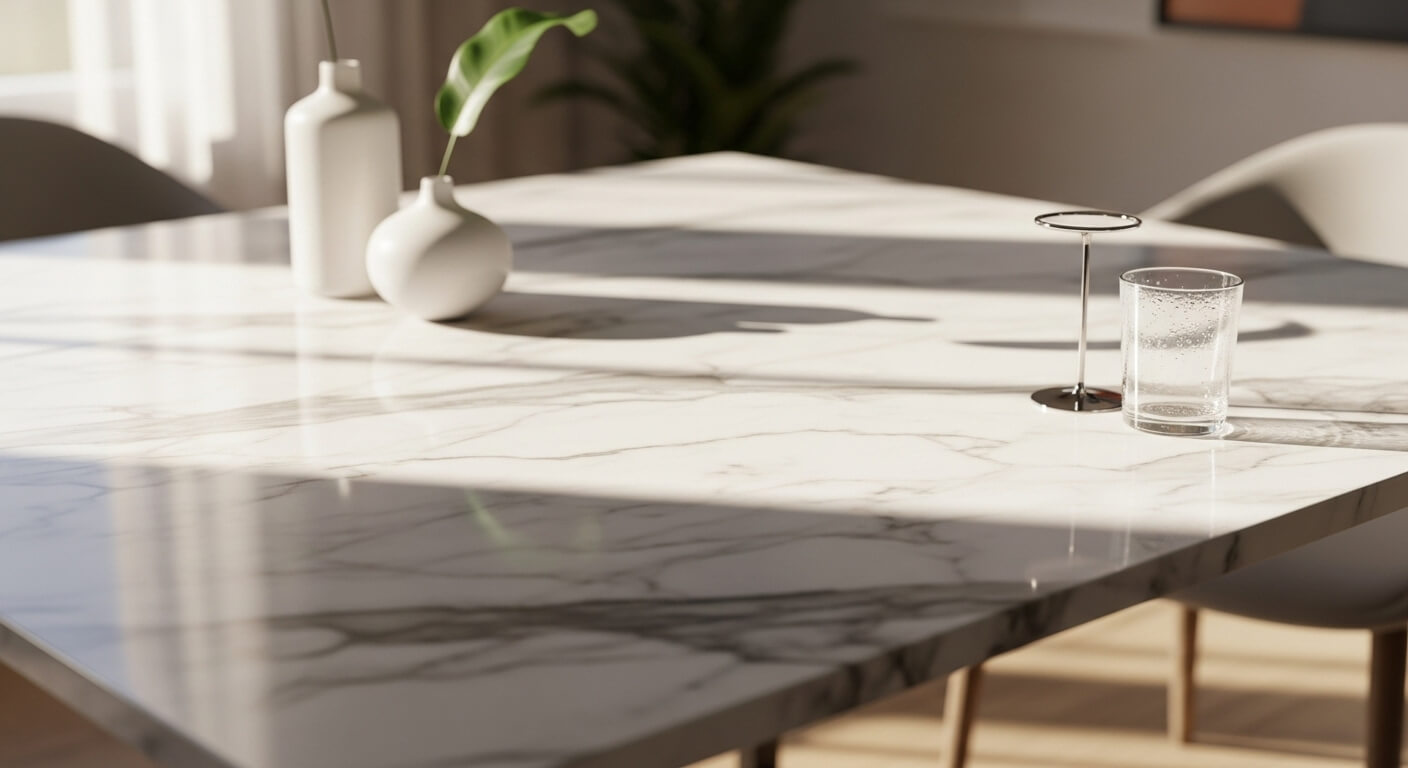
A marble table top brings a sense of timeless elegance to any room. Its cool surface, unique veining, and natural luster make it a stunning centerpiece for dining rooms, kitchens, and living areas. However, this beautiful stone is also porous and delicate, making it susceptible to stains, scratches, and etching. Proper care is essential to keep it looking its best for years to come.
Many people feel intimidated by marble table care, fearing they will damage the surface with the wrong cleaner or technique. This guide removes the guesswork. We will walk you through everything you need to know, from simple daily wipe-downs to tackling stubborn stains. With a few basic tools and the right knowledge, you can maintain your marble’s classic beauty with confidence.
Understanding Marble’s Vulnerability
Before you start cleaning, it is important to know what makes marble unique. Unlike granite or quartz, marble is a metamorphic rock composed mainly of calcite. This mineral is highly reactive to acids. Spills from common household items like lemon juice, vinegar, wine, or even tomato sauce can “etch” the surface, leaving a dull, whitish mark that looks like a stain but is actually a chemical burn on the stone.
Because marble is also porous, it can absorb liquids, leading to deep-set stains. That’s why swift action and the right cleaning methods are so important for effective marble table care.
Daily Cleaning: Your First Line of Defense
Consistent, gentle cleaning is the best way to prevent long-term damage. Follow this simple routine for daily upkeep.
What You’ll Need:
- Soft microfiber cloths (at least two)
- Warm water
- pH-neutral stone cleaner (optional but recommended)
Step-by-Step Daily Cleaning:
- Wipe Away Debris: Use a dry, soft microfiber cloth to gently dust the surface and remove any crumbs or loose dirt. This prevents scratching during the wet-cleaning phase.
- Use a Damp Cloth: Dampen a second microfiber cloth with warm water. Wring it out thoroughly so it is not dripping wet. Wipe down the entire table top in gentle, circular motions.
- Add a pH-Neutral Cleaner (If Needed): For more than just dust, you can use a cleaner specifically formulated for natural stone. Spray a small amount onto the cloth (not directly on the marble) and wipe the surface. These cleaners are designed to lift dirt without harming the stone’s sealant or surface.
- Dry Immediately: This is a critical step. Do not let the marble air-dry, as this can leave water spots and streaks. Use a separate, dry microfiber cloth to buff the surface completely dry. This simple action restores the shine and prevents moisture from seeping into the stone.
How to Remove Stains from Marble
Despite your best efforts, spills happen. The key to successful stain removal is to act quickly and identify the type of stain you are dealing with. Always blot spills immediately with a paper towel; never wipe, as this can spread the stain.
For Common Organic Stains (Coffee, Tea, Food)
For fresh stains, a simple solution of water and a few drops of ammonia or hydrogen peroxide can work. However, a more effective and safer method is using a poultice.
How to Make a DIY Poultice:
A poultice is a thick paste that pulls stains out of the stone as it dries.
- Create the Paste: Mix a gentle absorbent material like baking soda, diatomaceous earth, or plain white paper towels with a cleaning agent. For organic stains, a few drops of 12% hydrogen peroxide mixed with baking soda work well. The final consistency should be like thick peanut butter.
- Apply the Poultice: Spread a thick layer (about 1/4 inch) over the stain, extending slightly beyond its edges.
- Cover and Wait: Cover the poultice with plastic wrap and tape down the edges. This keeps the paste moist, allowing it to work longer. Let it sit for 24 to 48 hours.
- Remove and Clean: After the time is up, remove the plastic wrap and allow the poultice to dry completely. Once dry, gently scrape it off with a plastic scraper and wipe the area clean with a damp cloth. Dry the surface thoroughly. The stain should be gone or significantly lightened. Repeat if necessary.
For Oil-Based Stains (Grease, Cosmetics)
Oil stains darken the marble. To remove them, use a poultice made with baking soda and a few drops of ammonia or acetone. Follow the same application and removal process described above.
Polishing Your Marble for a Renewed Shine
Over time, your marble table top might lose some of its luster. You can restore its shine with a few simple techniques.
- Buffing: For a quick boost, a dry microfiber cloth is your best friend. Vigorously buffing the clean, dry surface can often bring back a decent amount of shine.
- Chamois Cloth: After cleaning and drying with a microfiber towel, go over the surface one more time with a chamois cloth. This classic tool is excellent for creating a streak-free, high-gloss finish.
- Marble Polishing Powder: For a more significant restoration, use a polishing powder designed for marble. These products contain fine abrasives that gently smooth the surface. Sprinkle a small amount onto the table, add a little water to make a paste, and rub it into the stone with a damp cloth. Follow the product instructions carefully, then rinse and dry completely.
Common Mistakes to Avoid in Marble Table Care
Knowing what not to do is just as important as knowing what to do. Avoid these common errors to protect your investment.
- Using Acidic or Abrasive Cleaners: Never use vinegar, lemon juice, or all-purpose cleaners containing acid. Likewise, avoid abrasive powders or scrub sponges, which will scratch the surface.
- Letting Spills Sit: The longer a spill remains on the surface, the deeper it will penetrate. Clean up spills, especially acidic ones, immediately.
- Placing Hot Pans Directly on the Surface: While marble is heat-resistant, extreme temperature changes can cause thermal shock and crack the stone. Always use trivets or hot pads.
- Using it as a Cutting Board: Knives will easily scratch your marble table top. Always use a dedicated cutting board.
Long-Term Care: Sealing Your Marble
Most marble table tops come sealed from the manufacturer. This sealant is a protective barrier that gives you more time to clean up spills before they stain. However, this sealant wears off over time.
You can test if your table needs resealing by dripping a small puddle of water on the surface. If the water beads up, the sealant is still working. If it darkens the marble within a few minutes, it’s time to reseal. Purchase a high-quality impregnating sealer for natural stone and follow the manufacturer’s application instructions carefully. This is typically a simple wipe-on, wipe-off process that you should do once or twice a year.
Conclusion
Caring for a marble table top doesn’t have to be a source of stress. By establishing a simple daily cleaning routine, tackling spills quickly, and avoiding harsh chemicals, you can easily preserve its natural beauty. Think of it less as a chore and more as a ritual to maintain a piece of natural art in your home. With these marble cleaning tips, your table will remain a stunning and elegant focal point for gatherings and daily life.
Do you have any tried-and-true marble cleaning tips or a favorite product? Share your experience in the comments below
Leave a Reply